AdLingo Ads Builder

Most ideas that enter Area 120, Google's internal startup incubator, don't make it out. We did.
AdLingo embedded brand chatbots directly into display ads at scale, reaching profitability and exiting through acquisition. Getting there meant building not just a product, but the operational infrastructure that could support rapid growth.
ROLE
UX/UI Designer + UXR
TEAM
2 UX Designers, 4 Engineers, 1 PM,
1 Campaign Manager, 2 Sales/Biz Dev
TIMELINE
3.5 years | Product and Self-service creation platform
TOOLS
Figma, Google Suite, Usertesting.com
COMPANY
Area 120 @ Google
YEARS
2018 - 2021
LAUNCH
AdLingo - October 2018
AdLingo Ads Builder - May 2020
DELIVERABLES
PMF - early explorations
User Testing
A/B Testing
Wireframes
Mockups
Prototypes
Sales material
QA with Engineering
The Opportunity
In 2018, display advertising was reaching billions of users but engagement was low. At the same time, brands were investing heavily in AI-powered chatbots — experiences that were smart but poorly distributed.
AdLingo connected these two trends. Instead of static impressions, users got interactive conversations. Instead of chatbots buried in brand websites, brands got meaningful reach.
Early campaigns validated the format. Larger clients entered the pipeline. The product gained traction — and that's when the real problem started.
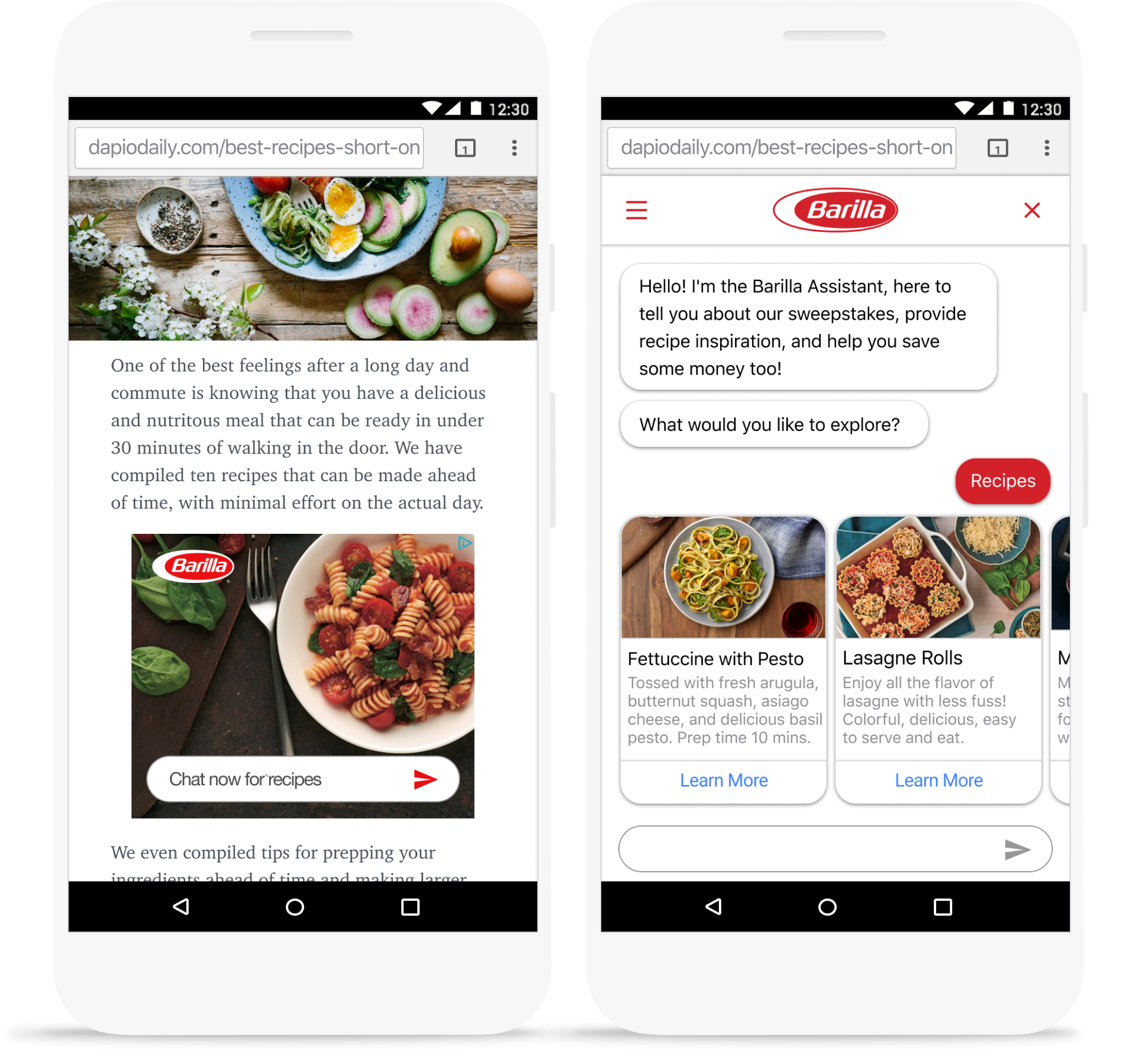
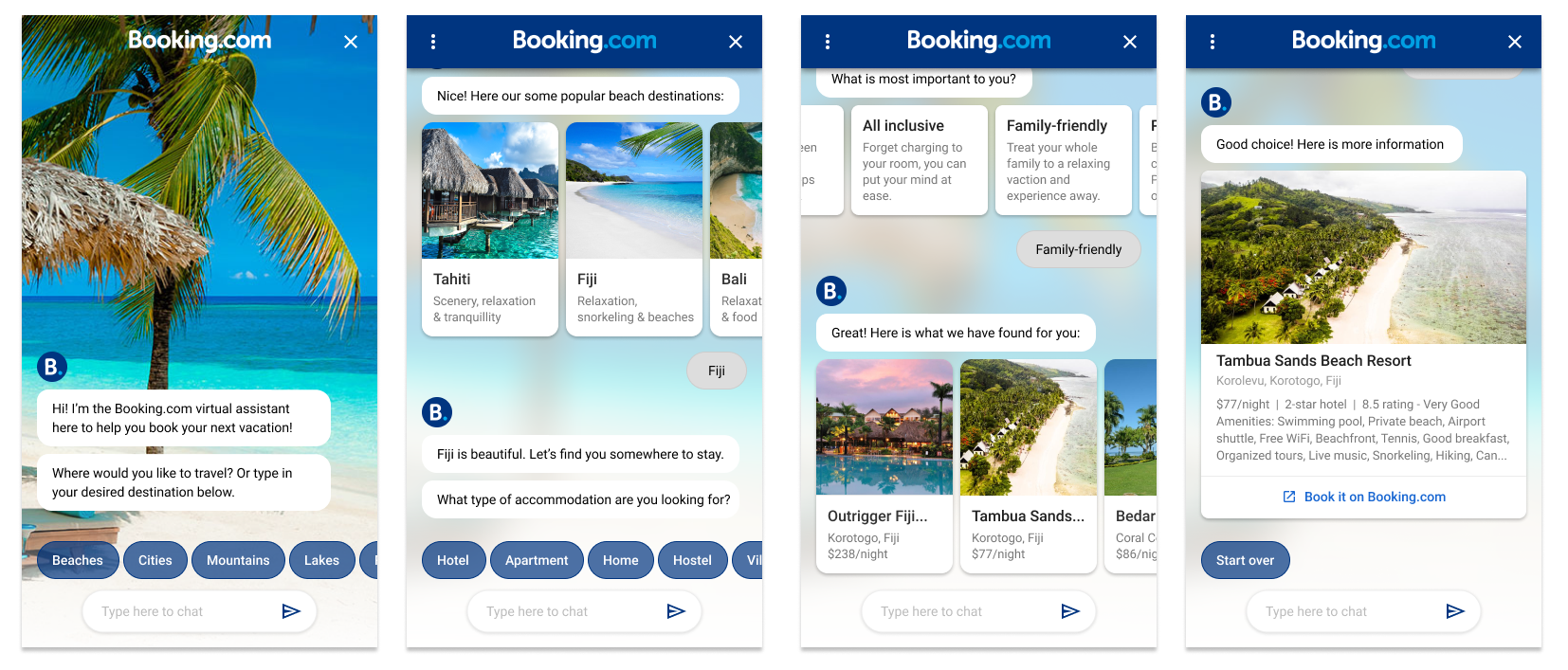
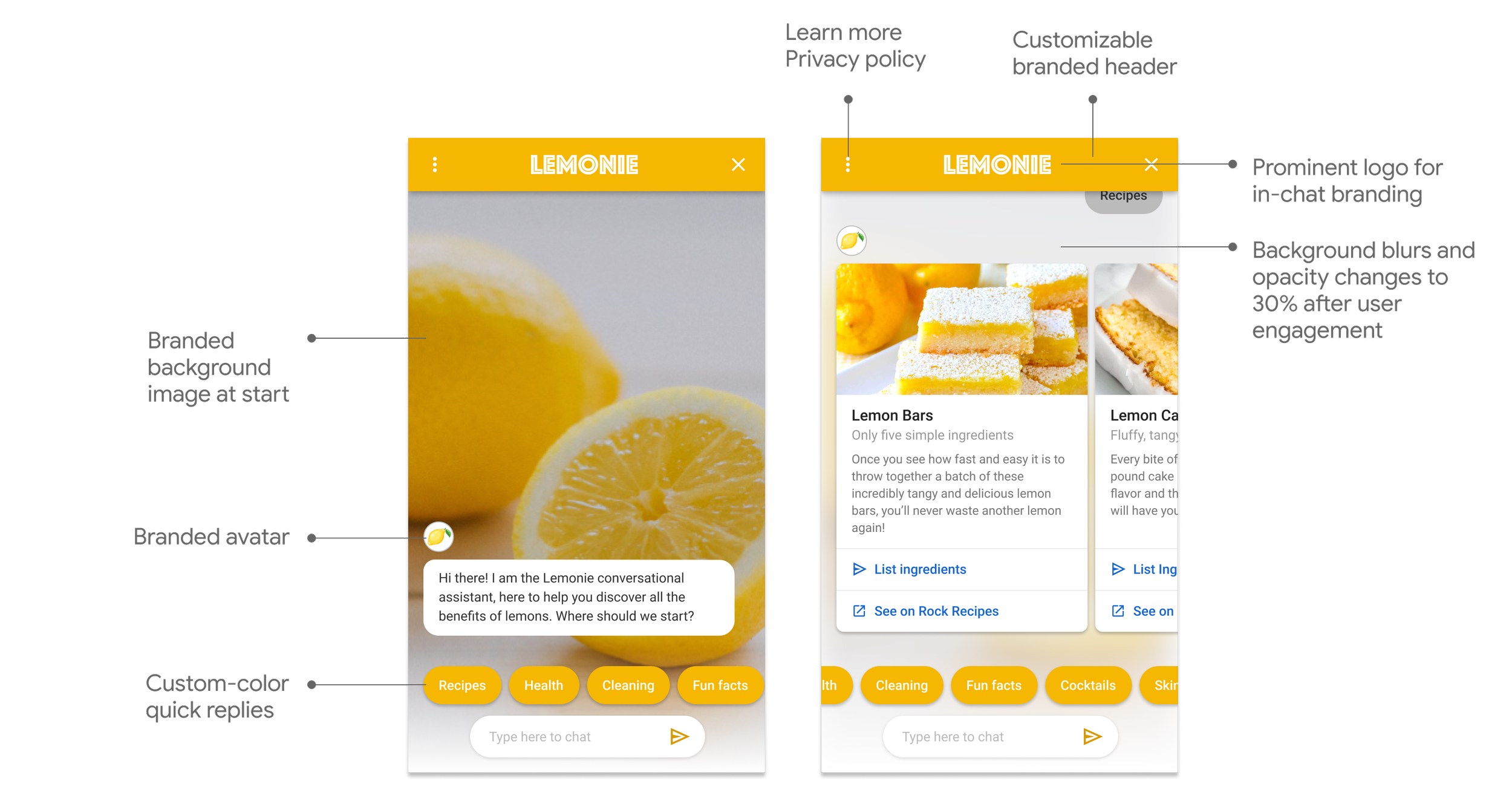
Early iterations of the conversational ad experience embedded within Google Display Network.
The Scaling Challenge
Growth exposed what the team's process couldn't handle.
Assets moved between word docs, emails, and spreadsheets. Approvals happened across meetings and threads. Each new client required cross-functional effort for bot integration, asset reformatting, and sign-off tracking. Minor errors compounded. Launch timelines stretched.
Through campaign retros and day-to-day observation, I kept seeing the same patterns: duplicated effort, client confusion, and operational burden that grew with every new account. As higher-value clients came on board, the margin for error narrowed.
The issue wasn't effort. It was architecture (or lack there of).

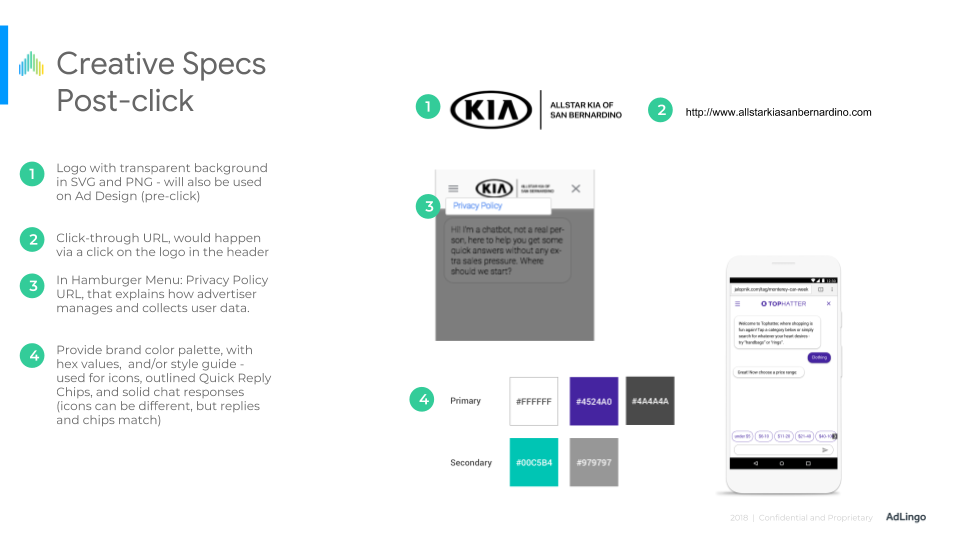
THE MESSY MIDDLE
Attempts at clarifying what was needed before launching a campaign in 2018
The Solution -
Ads Builder
I led the design of Ads Builder: a centralized system that unified asset collection, chatbot integration, preview, and campaign configuration into a single environment.
The core shifts were straightforward but significant. Campaign assets and configuration moved into one place. Stakeholder approvals shifted to shareable preview links that required no engineering involvement to generate. Bot integration became self-serve rather than a handoff. And campaign managers finally had visibility across all active work from a single dashboard.
Coordination overhead didn't just shrink — a whole category of back-and-forth was eliminated.
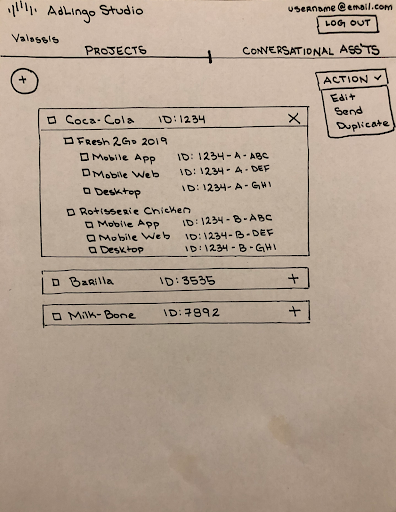
Early explorations of a centralized campaign configuration environment.
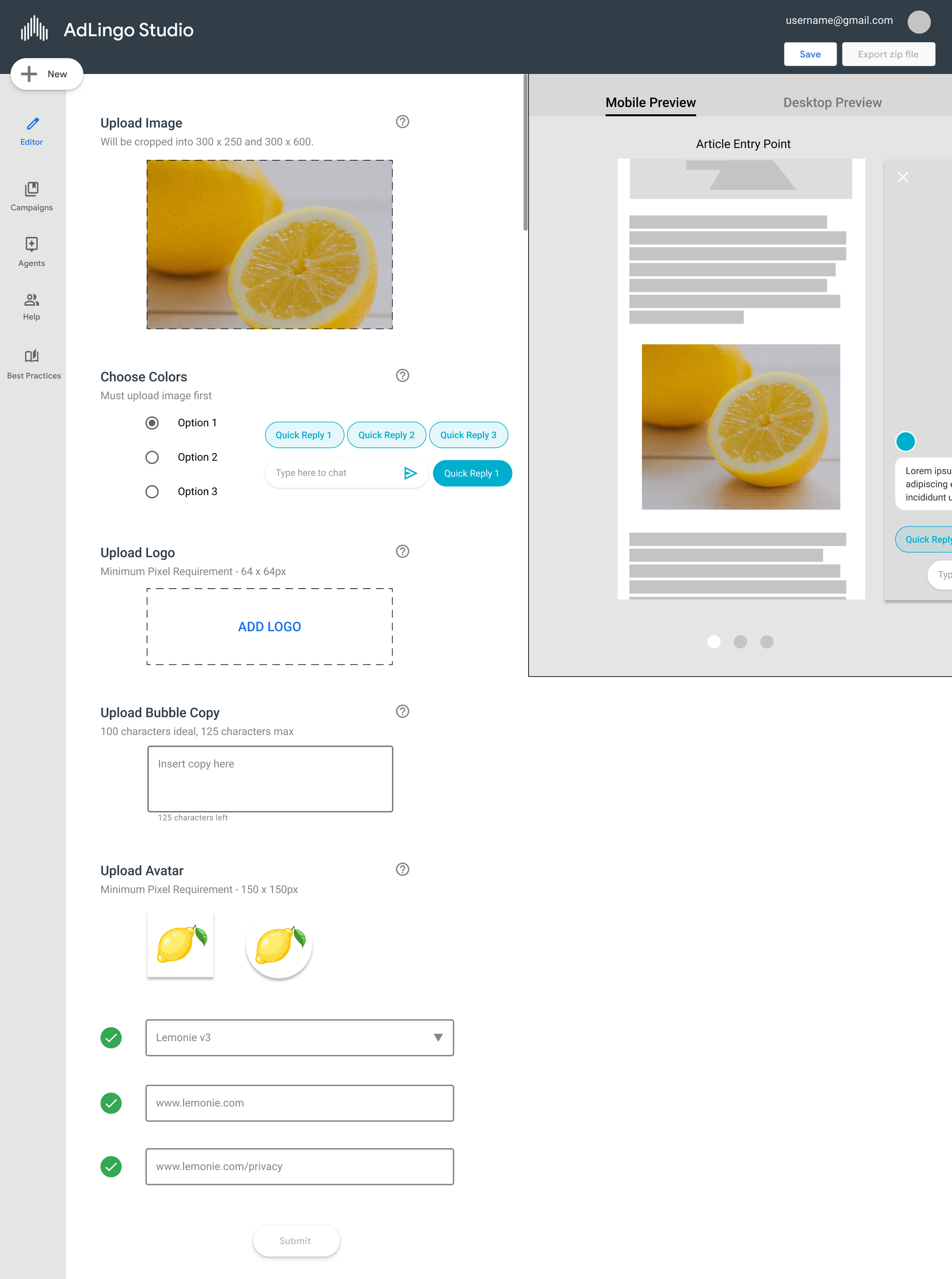
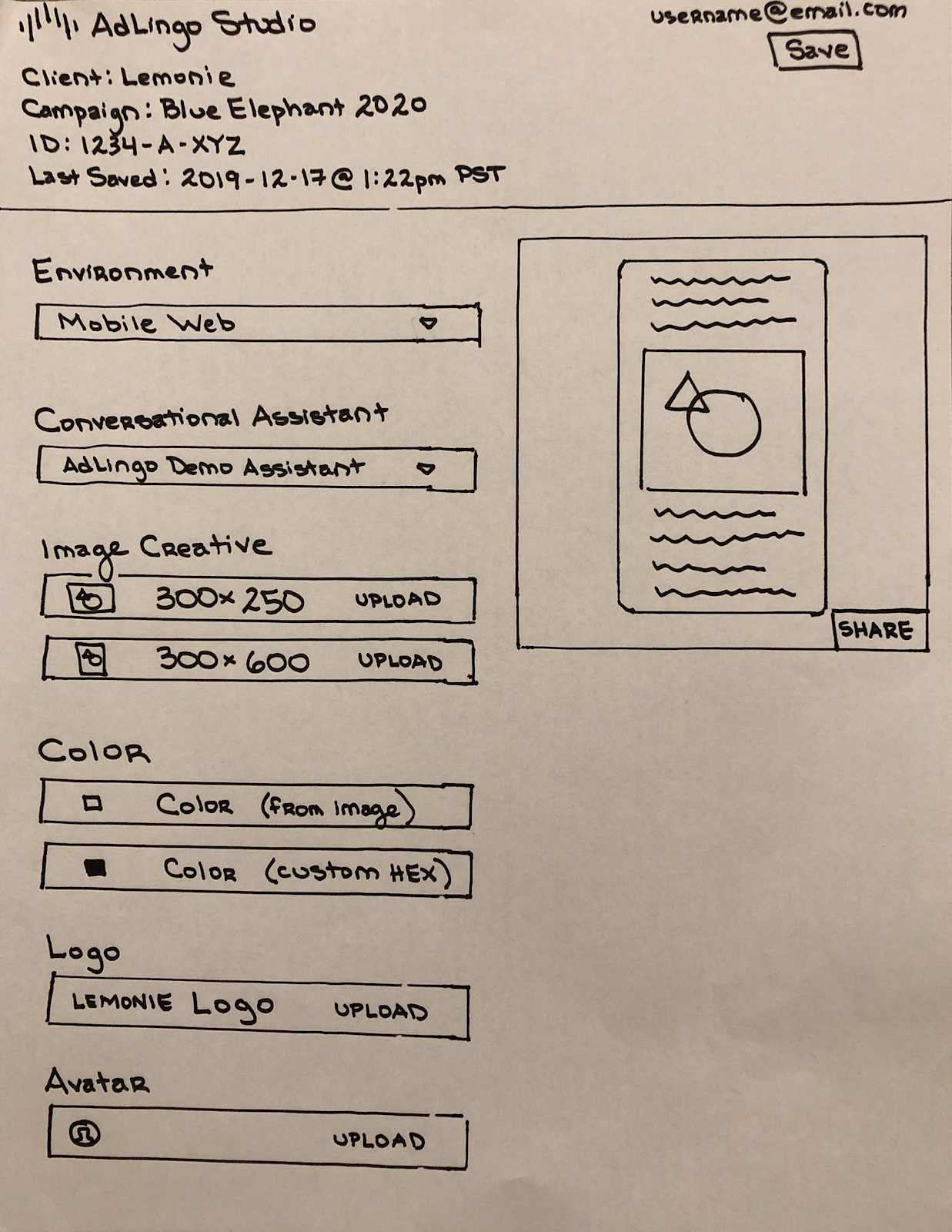
Iterating toward a unified environment for asset upload, bot integration, and preview.

Structural Architecture
Ads Builder was organized into four primary sections:
1. Creative asset management
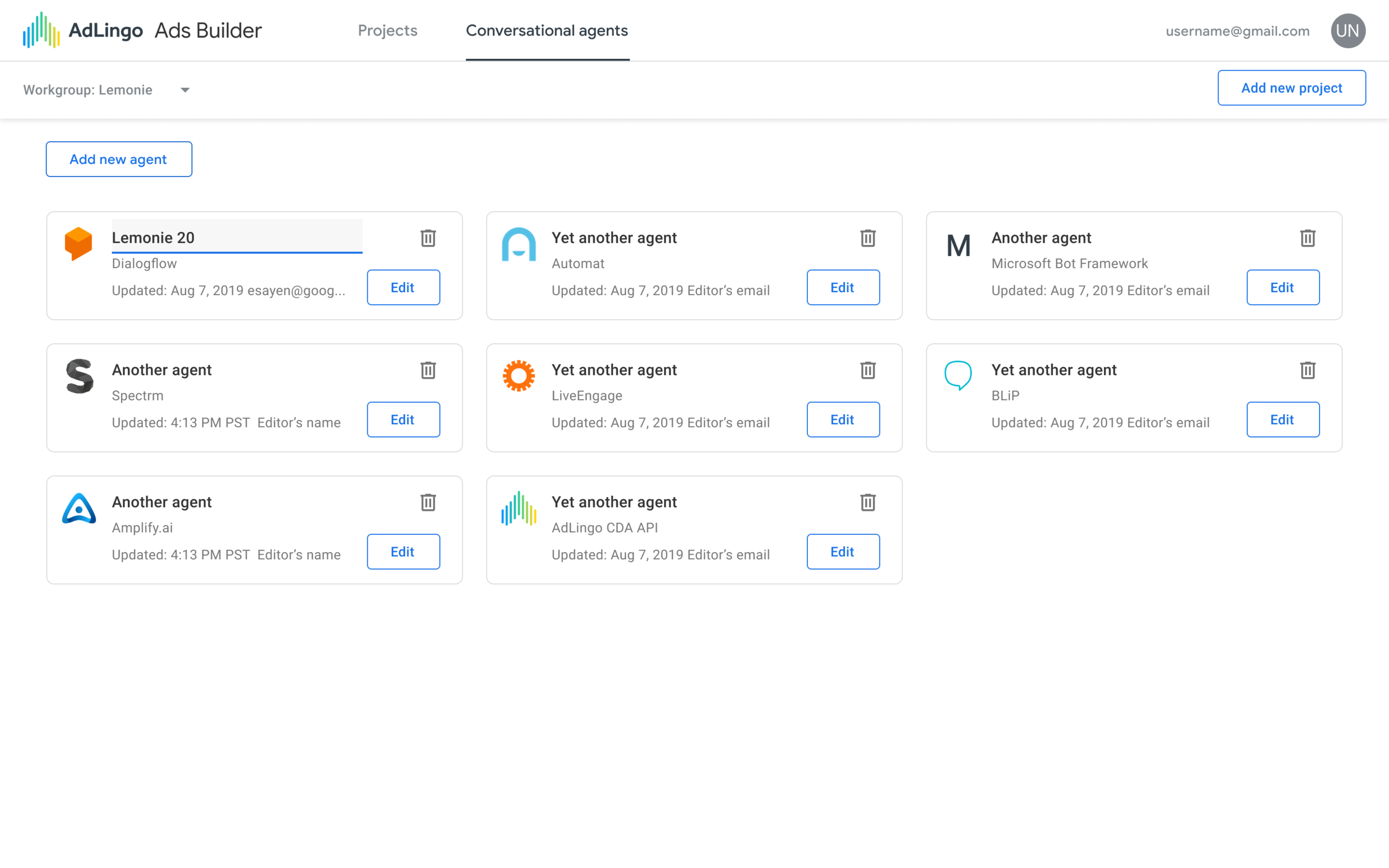
2. Conversational agents integration
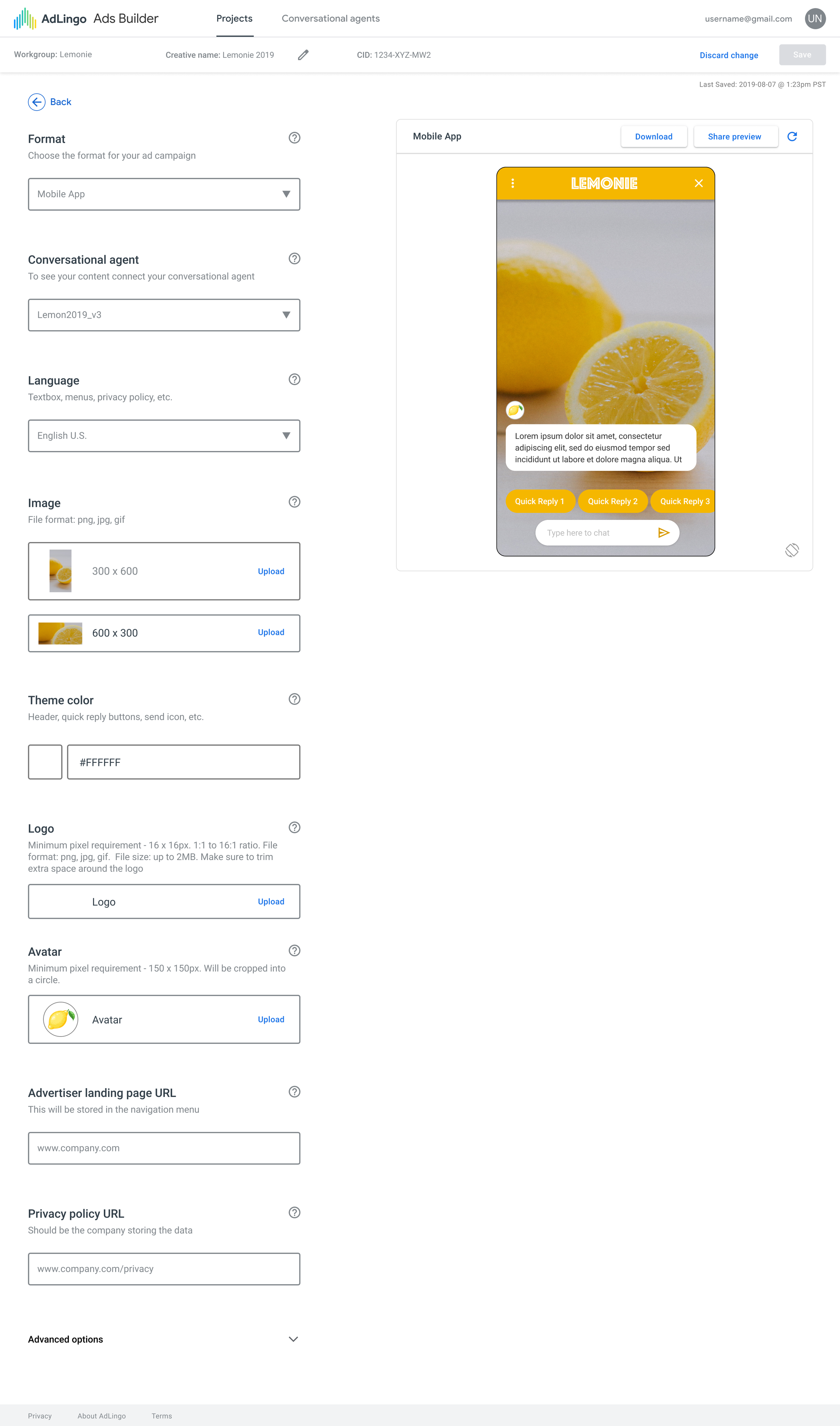
3. Campaign configuration
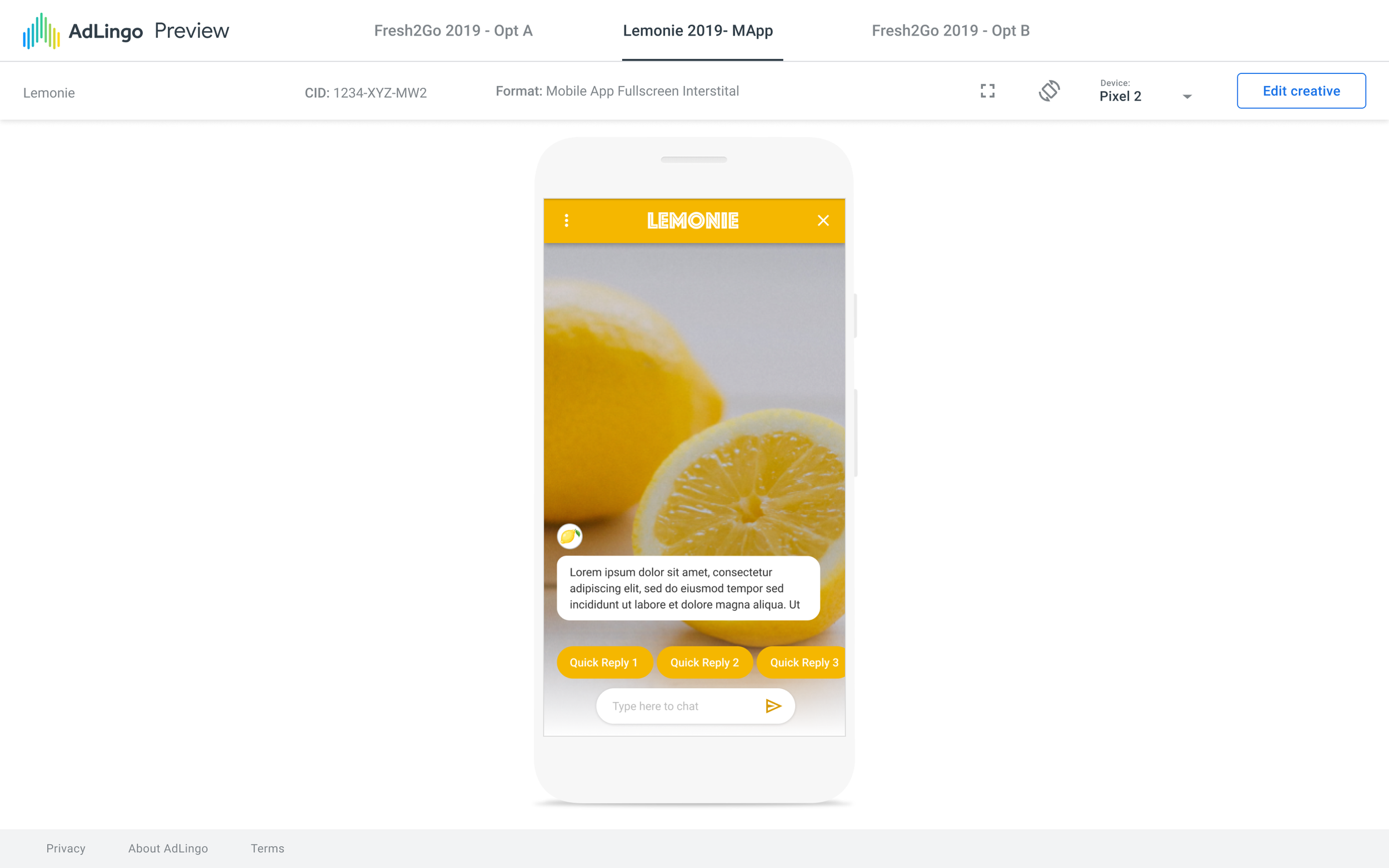
4. Preview
Each section aligned to a distinct stage of campaign execution, allowing teams to move from setup to preview within a unified environment. The structure reduced context switching and clarified ownership across design, engineering, and campaign management.
Creative Asset Management
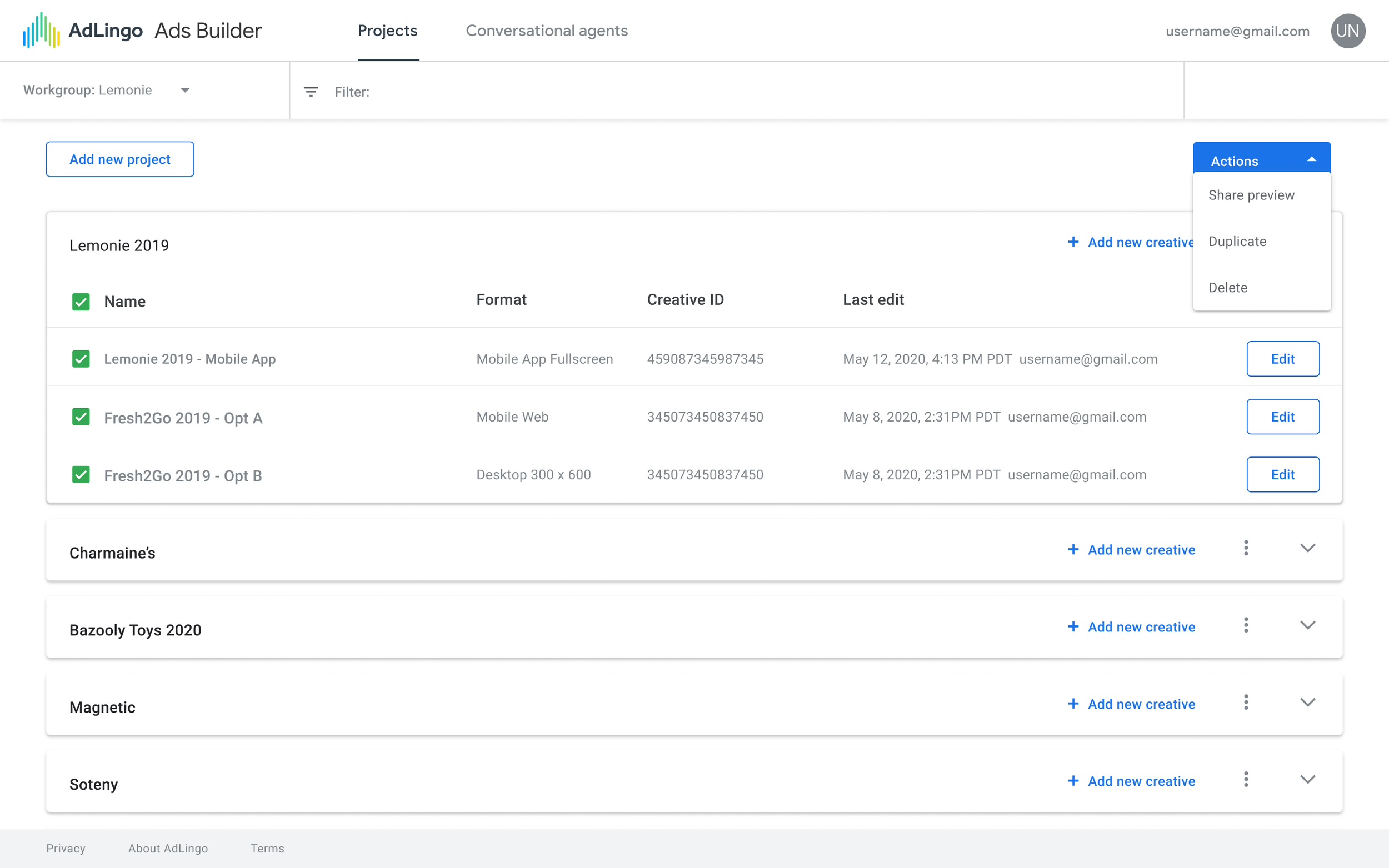
Conversational Agents Integration
Campaign Configuration
Preview
Designing for Real Behavior
The initial architecture assumed campaigns would be organized by client. Watching how people actually used the system told a different story. In reality, campaign managers were organizing by owner to track their own workload more easily.
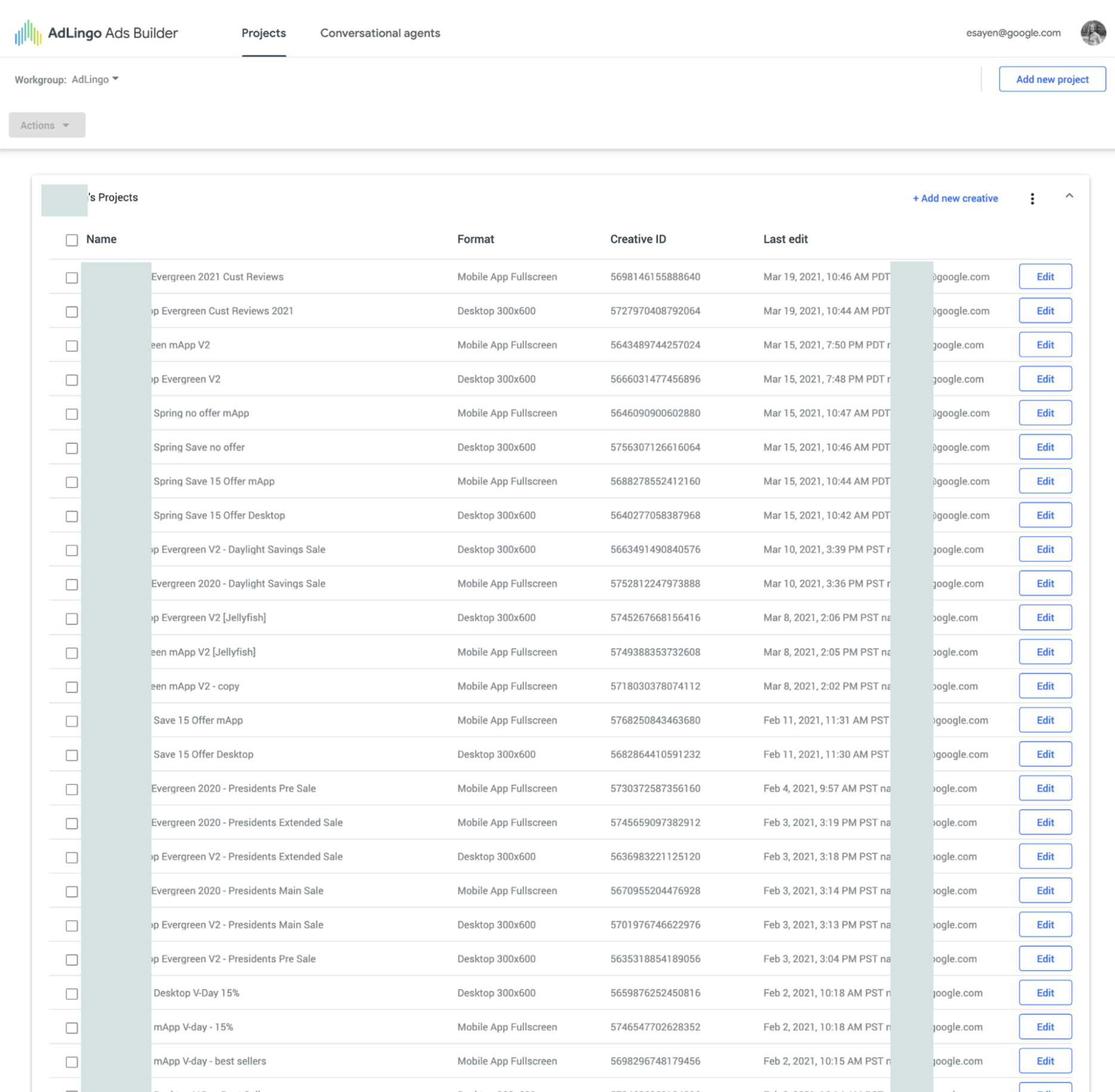
A small segment of owner-led use of Ads Builder
This created a tension: owner-based organization reduced individual cognitive load but fragmented visibility as the team scaled.
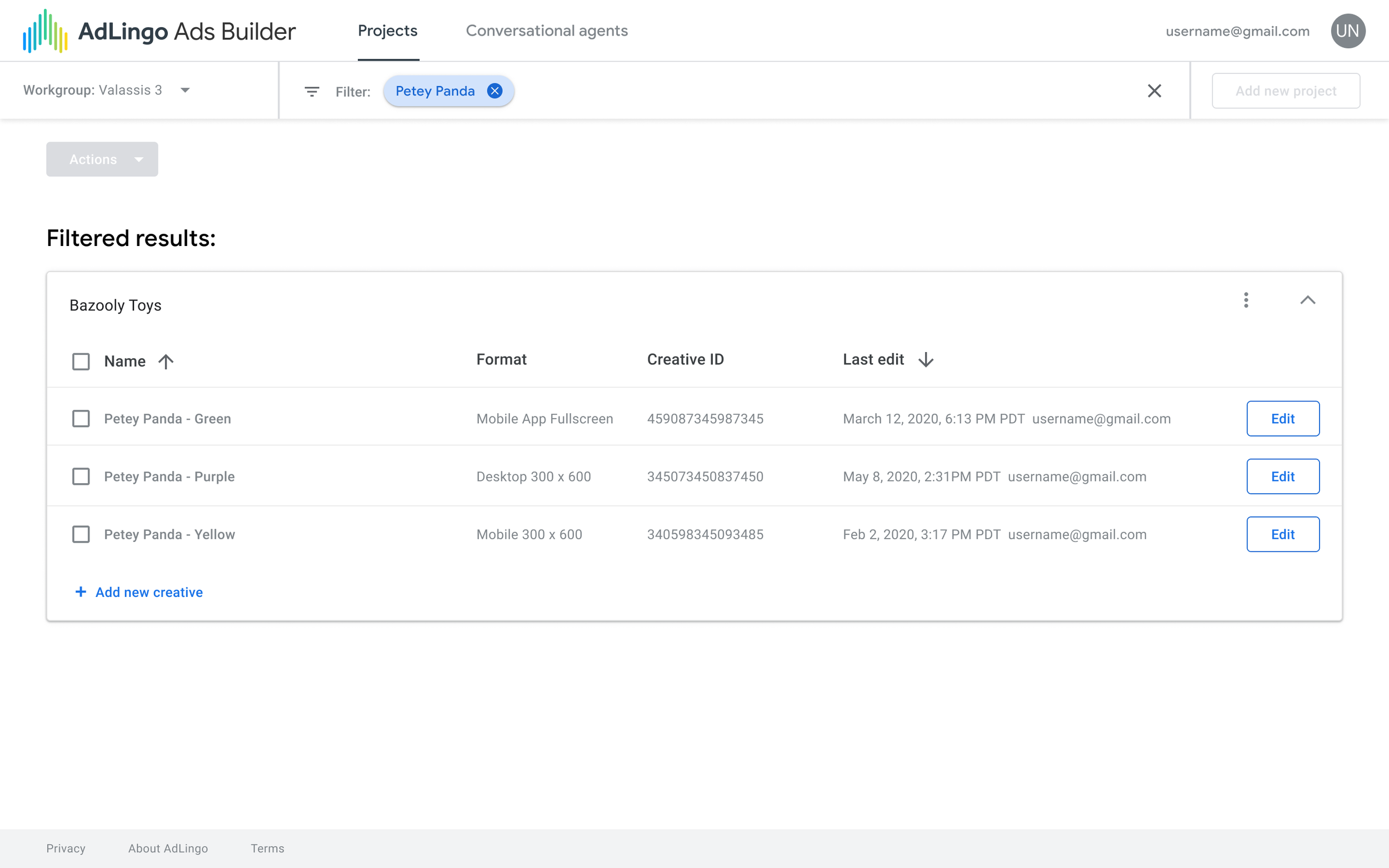
Rather than forcing a disruptive restructure mid-flight, I introduced search, sorting, and filtering that supported both mental models without breaking either. While a deeper architectural overhaul was necessary, it was inevitably paused when acquisition-related code freezes came into effect.


Impact
With Ads Builder, Engineering regained bandwidth to expand integrations and improve the core conversational experience. Campaign managers increased account capacity with centralized visibility. Design shifted from repetitive coordination back to strategic product and client work.
Reducing that friction didn't just improve operations — it strengthened AdLingo's growth trajectory and contributed to acquisition.
20 → 5 Average Days to launch
500% YoY Growth
500M Impressions in H1 2020
Reflections
Innovation generated traction. Infrastructure made it sustainable.
AdLingo reinforced something I think about on every project now: growth exposes the limits of fragmented coordination or weak infrastructure. The best product in the world stalls when the systems around it can't scale.
While acquisition paused further development of the advertiser workflow, the experience shaped how I approach product design — not just focused on what launches, but on how successful products scale.

Work it. (aka Case Studies)
-
![]()
AI for UX Design
A hands-on exploration of a rapidly changing design landscape.
-
![]()
Fitmate
An all-in-one business platform for independent fitness trainers.
-
![]()
Holistico
Connecting eco-friendly consumers with businesses —recommendations, rewards, events and a supportive community.